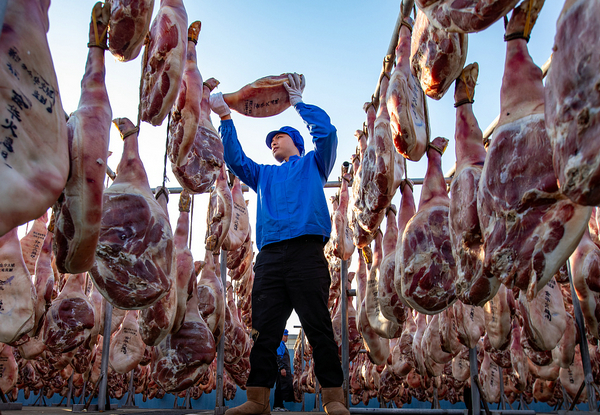
Jinhua Ham
Introduction
Jinhua Ham is a renowned dry-cured ham originating from Jinhua, a city in East China's Zhejiang province. It is a significant part of China's culinary heritage. Known for its intense umami flavor, Jinhua Ham is a staple ingredient in Chinese cuisine, particularly prized for its ability to enhance the taste profile of numerous dishes. It stands out from the softer, fresher varieties of ham due to its distinct preparation and flavor, which have made it a sought-after product both in China and internationally.
History
The history of Jinhua Ham dates back more than a millennium, with its origins deeply rooted in the traditions of Chinese preserved meats, known as la rou. This form of preservation was traditionally practiced during la yue, the last month on the traditional Chinese calendar, when the cooler temperatures allowed for optimal curing conditions. Over the centuries, Jinhua Ham has evolved from a local specialty to an emblem of Chinese culinary craft, celebrated for its rich flavor and cultural significance. The methods of production and the appreciation for its unique taste have been passed down through generations, ensuring the ham's enduring popularity and cultural importance in China.
Production Process
The production process of Jinhua Ham involves several meticulous steps that contribute to its distinctive flavor and texture. This traditional method has been refined over many years, resulting in the high-quality product known today.
Selection of Ingredients
The process begins with the selection of the finest pork thighs, as the quality of the meat is crucial to the final product. The pork used are typically chosen for their specific breed and dietary regimen, which impact the flavor and texture of the ham. The thighs are carefully inspected to ensure they meet the standards required for Jinhua Ham production.
Salt Curing
Once the thighs have been selected, they are marinated in salt for over 35 days. The salt not only acts as a preservative but also enhances the natural flavors of the meat. This curing period is critical, as it sets the foundation for the ham's distinctive taste. After curing, the salt is thoroughly washed off to prepare the thighs for the next stage.
Fermentation and Aging
Following the salt curing, the hams are hung up to dry. This drying process can last several months, during which the hams undergo fermentation and aging. The conditions are closely monitored to ensure the perfect balance of humidity and temperature, which are essential for developing the ham's unique umami flavor. This stage is where the ham truly matures, as the aging process allows the flavors to intensify and the texture to develop.
Characteristics
Jinhua Ham is renowned for its specific flavor profile and texture, which distinguish it from other types of cured ham.
Flavor Profile
The flavor of Jinhua Ham is characterized by its intense umami taste, a result of the meticulous curing and aging process. This depth of flavor makes it a valuable ingredient in Chinese cooking, capable of enhancing the taste of various dishes. The ham's rich, savory profile is often compared to the concentrated taste of well-aged cheeses or fine wines, offering a complex blend of saltiness and natural meat flavors.
Texture
In terms of texture, Jinhua Ham is firm and dense, a result of the long drying and aging process. Unlike softer, fresh hams, Jinhua Ham has a slightly chewy consistency that adds to its appeal. This texture is ideal for slicing thinly, allowing the ham to be used as a garnish or an intense flavor enhancer in soups, stews, and rice dishes.
Culinary Uses
Jinhua Ham is versatile in its culinary applications, serving as both a primary ingredient and a flavor enhancer in a wide range of dishes. Its rich umami flavor makes it particularly suitable for use in soups, where it can impart a deep savory taste. It is also commonly used in stir-fries, rice dishes, and as a topping for noodles, adding a touch of luxury and depth to everyday meals. The ham's ability to elevate the flavor of any dish has made it a favorite among chefs and home cooks alike, both within China and in international kitchens.
Cultural Significance
Jinhua Ham holds a prominent place in Chinese culture, not only as a culinary delicacy but also as a symbol of tradition and craftsmanship. Its production is considered a form of cultural heritage, reflecting the expertise and dedication involved in its making. The ham is often associated with good fortune and prosperity, making it a popular gift and a staple in festive and celebratory meals. Its long history and enduring appeal speak to its significance in China's culinary landscape, where it continues to be cherished and celebrated.
International Promotion and Reception
Despite its traditional roots, Jinhua Ham has gained international recognition for its unique qualities. Efforts to promote this delicacy beyond China have focused on highlighting its exceptional flavor and cultural significance. International chefs and food enthusiasts have embraced it as a premium ingredient, incorporating it into diverse culinary creations that celebrate its heritage and unmatched flavor. The growing appreciation for Jinhua Ham outside of China underscores its global appeal and the potential for further expansion in international markets.








